Table of Contents
Toggle
ONLINE THERAPY & COUNSELLING SERVICES
Table of Contents
ToggleWhen You Listen Inward, You Find Your Way Forward
At Online Therapy and Counselling, we combine evidence-based approaches with thoughtful, holistic insights to support both mind and spirit. Whether you’re facing anxiety, depression, grief, or simply seeking greater clarity and inner peace, our online sessions offer a space for meaningful growth. Together, we’ll explore practical strategies and deeper understanding to help you move forward and truly thrive.

The Challenges We Help You Navigate
Guidance for When Life Feels Heavy.
Anxiety is a common emotional response to stress or perceived threat. It often involves feelings of worry, fear, or unease and can range from mild to severe. While occasional anxiety is a normal part of life, ongoing or intense anxiety that interferes with daily functioning may indicate an anxiety disorder.
Symptoms of Anxiety
Anxiety can affect your mind, body, and behaviour. Common symptoms include:
Physical Symptoms
- Racing heart or chest tightness
- Shortness of breath
- Muscle tension or headaches
- Nausea or stomach discomfort
- Fatigue or sleep disturbances
Emotional and Cognitive Symptoms
- Constant worry or dread
- Feeling overwhelmed or unable to relax
- Difficulty concentrating
- Irritability or restlessness
- Fear of losing control or something bad happening
Behavioural Symptoms
- Avoiding certain situations or people
- Withdrawal from responsibilities or relationships
- Difficulty making decisions
What Causes Anxiety?
Anxiety can develop from a combination of factors, such as:
- Chronic stress or life pressures
- Past trauma or unresolved emotional pain
- Genetics or family history of anxiety
- Personality traits, such as perfectionism
- Health conditions or hormonal imbalances
- Substance use or withdrawal
Sometimes, anxiety may not have a clear cause, but it still feels genuine and overwhelming.
How Counselling Can Help
Counselling provides a safe, supportive space to understand better your anxiety and how it’s affecting your life. With the guidance of a trained therapist, you can:
- Explore the root causes of your anxiety
- Learn healthy coping strategies to manage symptoms
- Challenge and reframe unhelpful thought patterns
- Build emotional resilience and develop tools for long-term wellbeing
- Improve your relationships, decision-making, and self-confidence
Whether your anxiety is recent or something you’ve been carrying for a long time, counselling can help you regain a sense of calm, control, and clarity.
Depression is more than just feeling sad or having a rough day—it’s a persistent mental health condition that affects how you feel, think, and function in daily life. It can lead to a deep sense of emptiness, hopelessness, or emotional numbness that doesn’t go away on its own.
Depression is common, but it’s also highly treatable. With the right support, most people can recover or manage symptoms effectively.
Symptoms of Depression
Depression can show up in different ways for different people. Common symptoms include:
Emotional Symptoms
- Persistent sadness or low mood
- Feelings of hopelessness, worthlessness, or guilt
- Loss of interest or pleasure in activities once enjoyed
- Difficulty experiencing joy or connection
Physical Symptoms
- Changes in appetite or weight
- Sleep disturbances (insomnia or sleeping too much)
- Fatigue or low energy
- Aches, pains, or digestive issues without a clear cause
Cognitive and Behavioural Symptoms
- Difficulty concentrating or making decisions
- Withdrawing from friends, family, or responsibilities
- Slowed thinking or speech
- Thoughts of death or suicide (in severe cases)
What Causes Depression?
Depression often arises from a mix of biological, psychological, and environmental factors, such as:
- Life events like grief, trauma, or relationship breakdowns
- Chronic stress or unresolved emotional pain
- Family history of depression or mental illness
- Imbalances in brain chemistry or hormones
- Personality traits such as low self-esteem or perfectionism
- Ongoing physical illness or substance use
Sometimes, depression can develop without a clear reason, but that doesn’t make it any less real.
How Counselling Can Help
Counselling offers a supportive and non-judgmental space to help you understand and work through your depression. With the guidance of a trained therapist, you can:
- Explore the root causes of your depression
- Express and process emotions you may be carrying
- Challenge negative thought patterns and build healthier perspectives
- Develop practical coping strategies to manage daily challenges
- Rebuild self-esteem and motivation
- Create goals and a sense of direction in life
You don’t have to go through this alone. Counselling can be a decisive step toward healing, growth, and finding hope again.
Every relationship faces challenges. Over time, stress, miscommunication, unmet needs, or unresolved conflict can create emotional distance between partners. You may feel like you’re growing apart, having the same arguments over and over, or struggling to feel heard, valued, or supported.
Common relationship issues include:
- Communication breakdowns
- Loss of intimacy or emotional connection
- Frequent conflict or resentment
- Trust issues or betrayal
- Parenting disagreements
- Life changes causing stress (e.g. career, health, finances)
- Feeling disconnected or unappreciated
These issues don’t always mean a relationship is broken—often, they’re signs that support is needed to grow and heal together.
How Counselling Can Help
Relationship counselling offers a safe, neutral space for couples to reconnect, repair, and grow. With the guidance of a trained therapist, you and your partner can:
- Improve communication and learn to listen with empathy
- Resolve conflict constructively rather than through blame or avoidance
- Rebuild trust after hurt or betrayal
- Reconnect emotionally and physically
- Understand each other’s needs and love languages
- Strengthen teamwork through shared goals and values
- Heal old wounds that may be affecting your present dynamic
Whether you’re looking to rebuild your connection, navigate a crisis, or simply strengthen your bond, relationship counselling can guide you forward—together.
Trauma is an emotional and psychological response to distressing or overwhelming events that disrupt your sense of safety and control. It can result from a shocking incident or ongoing exposure to difficult or harmful experiences.
Trauma doesn’t always stem from extreme situations—it can also arise from events that leave you feeling powerless, unseen, or deeply hurt. Its impact can be long-lasting, affecting how you think, feel, and relate to yourself and others.
Symptoms of Trauma
Trauma can manifest in a variety of emotional, physical, and behavioural symptoms. Emotionally, you might experience intense anxiety, fear, emotional numbness, or frequent mood swings.
You may also find yourself battling feelings of guilt, shame, or self-blame—especially if the trauma is linked to unresolved experiences or relational harm.
Physical Trauma
Physically, trauma can affect your body just as much as your mind.
Common symptoms include sleep disturbances, fatigue, muscle tension, and an ongoing sense of restlessness or being “on edge.”
You may notice your body reacting strongly to reminders of the trauma, such as sudden sounds, smells, or specific situations.
Behavioural Trauma
Behaviourally, trauma can cause people to withdraw from social connections or avoid certain places or people.
You may struggle to focus, stay present, or engage in daily life.
In some cases, people turn to substances or unhealthy coping behaviours as a way to numb emotional pain.
Causes of Trauma
Trauma can arise from a wide range of life events. These may include physical, emotional, or sexual abuse; neglect; the sudden loss of a loved one; serious accidents; or natural disasters. Some individuals experience trauma from domestic violence, bullying, or living in unsafe or high-stress environments.
Trauma can also develop from chronic illness, medical procedures, or witnessing traumatic events.
Not all trauma comes from single moments—repeated exposure to emotionally unsafe situations or ongoing stress, such as caregiving, discrimination, or emotional neglect, can also have a profound and lasting effect.
What’s traumatic for one person may not be for another—your experience is valid, no matter how it began.
How Counselling Can Help
Trauma counselling provides a safe and supportive space where you can begin to understand and heal from what you’ve been through. With the help of a trauma-informed therapist, you can work at your own pace to gently process difficult experiences and reduce the emotional weight they carry.
Therapy can help you explore how trauma is affecting your current thoughts, emotions, and behaviours—and help you regain a sense of control and safety.
As you build trust in the therapeutic process, you’ll learn grounding techniques and tools to regulate overwhelming emotions.
Counselling can also help you rebuild self-worth, establish healthy boundaries, and feel more present in your life and relationships.
Over time, with consistent support and care, trauma counselling can guide you from survival toward growth, strength, and emotional clarity.
Grief is a natural emotional response to loss. It often arises after the death of a loved one but can also follow any significant life change—such as the end of a relationship, the loss of a job, a major health diagnosis, or even the loss of identity, routine, or sense of purpose. Grief reflects the deep bond we held with what has been lost, and it can affect us emotionally, mentally, physically, and spiritually.
Everyone experiences grief differently. For some, it may bring overwhelming sadness, numbness, or anger. For others, it can lead to confusion, guilt, or difficulty functioning in daily life. There is no “right” way to grieve, and healing doesn’t follow a set timeline.
Grief is not something to “get over”—it’s something we learn to carry and live with. While the pain may never fully go away, with time, reflection, and support, it’s possible to find peace, meaning, and connection again. Grief is a reflection of love—and learning to live with it is part of healing.
How Counselling Can Help with Grief and Loss
Grief is a deeply personal and often overwhelming response to losing someone or something significant. Whether you’re mourning the death of a loved one, a relationship breakdown, a major life change, or the loss of identity or routine, grief can touch every part of your life—emotionally, mentally, and even physically.
Counselling offers a safe, supportive space to process your loss at your own pace. A trained therapist can help you explore your emotions without judgment, whether you’re feeling sadness, anger, guilt, numbness, or confusion. You don’t need to grieve alone or feel like you have to “get over it” quickly—counselling acknowledges that healing isn’t linear, and everyone experiences loss differently.
Through counselling, you’ll gain tools to manage the intensity of your emotions, understand the stages of grief, and make sense of the pain you’re feeling. Therapy can also help you find meaning after loss, rebuild daily structure, and reconnect with a sense of self when everything feels different. Over time, counselling can guide you toward healing—helping you carry your grief with more peace, clarity, and resilience.
If you’re navigating the weight of grief, counselling can be a steady hand through the most difficult moments—offering comfort, insight, and space for true healing to begin.
What Is Personal Growth?
Personal growth is the ongoing process of becoming more self-aware, confident, and aligned with your values, purpose, and goals. It involves reflecting on who you are, what you want, and how you respond to challenges—and then making intentional changes to grow mentally, emotionally, and sometimes spiritually. Personal growth can mean different things to different people: for some, it’s about building confidence or improving relationships; for others, it’s about finding clarity, healing past wounds, or pursuing meaningful life goals.
How Counselling Can Help with Personal Growth and Life Direction
Counselling provides a supportive space to explore your inner world and the barriers holding you back from living the life you want. Whether you’re feeling stuck, unfulfilled, anxious about the future, or unsure of your next steps, therapy helps you clarify your values, define your goals, and understand the patterns that may keep you from moving forward.
With the guidance of a counsellor, you can identify what truly matters to you and develop strategies to make meaningful, lasting changes. Counselling supports you in building emotional resilience, boosting self-esteem, improving decision-making, and staying motivated when challenges arise. It also helps uncover blind spots—things you may not even realise are affecting your direction or confidence.
Ultimately, therapy for personal growth empowers you to take ownership of your life. It offers insight, encouragement, and practical tools to help you live with greater purpose, self-acceptance, and clarity. Whether you’re seeking direction, healing, or change, counselling can be a decisive step toward becoming the version of yourself you know you’re capable of being.
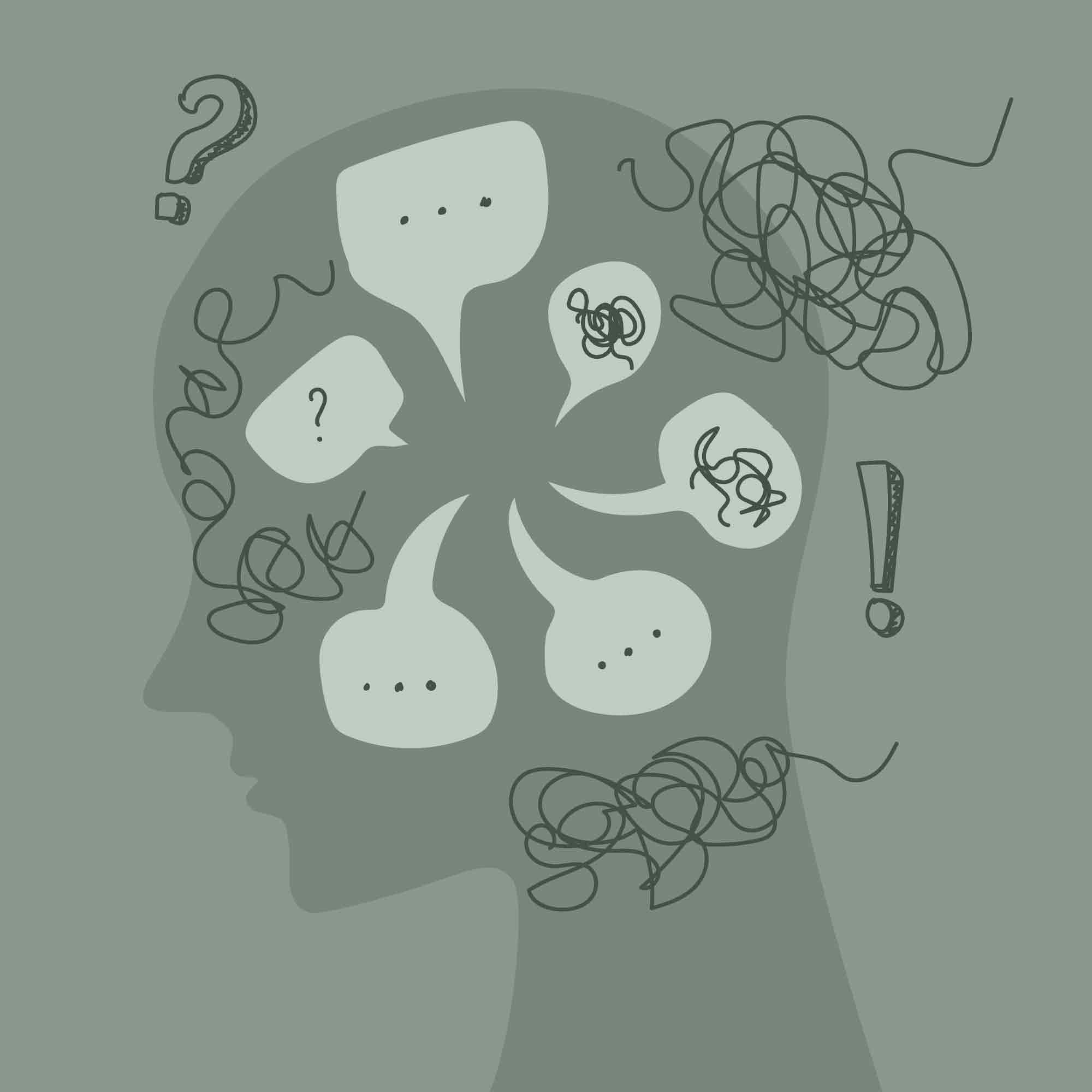
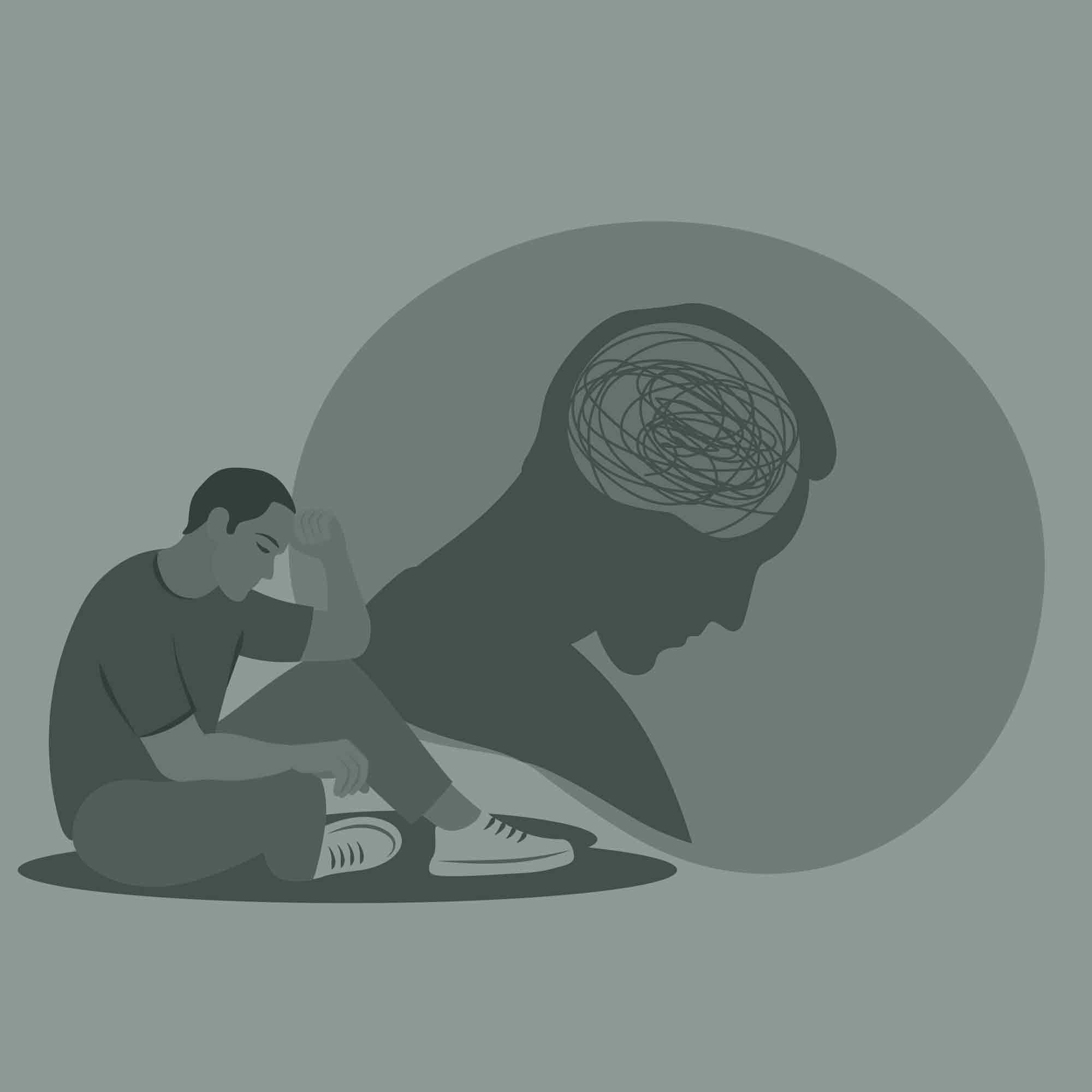
Your Inner Voice Has Something to Say

Meaningful Conversations For Lasting Change.
Benefits of Counselling From Beginning to Growing.
A Safe Space to Be Heard
Counselling offers a confidential, non-judgmental environment where you can express your thoughts and feelings openly.
Clarity and Self-Understanding
Gain deeper insight into your emotions, behaviours, and thought patterns to better understand yourself and your needs.
Healthier Coping Strategies
Learn practical tools to manage stress, anxiety, sadness, and overwhelming emotions more effectively.
Stronger Relationships
Improve communication, set healthy boundaries, and work through conflict to create more fulfilling connections.
Healing from Past Pain
Address unresolved trauma, grief, or emotional wounds in a supportive and structured setting.
Improved Mental and Emotional Well-being
Counselling can reduce symptoms of depression, anxiety, and emotional distress, helping you feel more balanced and in control.
Empowerment and Confidence
Build resilience, boost self-esteem, and feel more capable of handling life’s challenges.
Personal Growth and Life Direction
Discover your values, clarify your goals, and move forward with purpose and confidence.
Deep Reflection • Personal Transformation
My partner and I were on the verge of giving up. Couples counselling with Lee helped us reconnect and actually hear each other again. We’re in a much stronger place now.
I’ve seen a few therapists before, but Lee truly stands out. She’s insightful, compassionate, and helped me untangle years of pain and confusion. I feel lighter, stronger, and more myself.
I didn’t realise how much my past was affecting my present until I started therapy with Lee. Her approach is gentle, respectful, and empowering. I finally feel like I’m moving forward.
I was hesitant to start therapy, but working with Online Therapy and Counselling has been one of the most grounding experiences of my life. She helped me understand the patterns in my relationship and gave me the tools to communicate better and rebuild trust.
Talking about my trauma wasn’t easy, but Lee created a space where I felt safe. I’ve learned to manage my anxiety and no longer feel like my past defines me.
Our relationship had become distant and full of conflict. Through counselling, we learned how to communicate honestly and rebuild our connection.
Lee helped me find my voice. I now understand my triggers, set healthier boundaries, and feel more in control of my emotions than I ever have.
Depression made everyday life feel heavy. The support gave me hope and helped me find clarity when everything felt foggy. I’m so grateful for guidance.
After years of struggling with depression, I finally feel like I’m getting my life back. The support, compassion, and guidance have been invaluable. She truly listens and knows when to challenge and when to hold space.
Lee has a way of making you feel seen and heard without judgment. Through our sessions, I’ve found the strength to face long-held trauma and finally start healing.

Start Where You Are. Grow Into Who You Can Be.
Healing Happens Here.
Take the first step toward meaningful change with Online Therapy and Counselling. Whether you choose in-chair sessions at our Gold Coast clinic or the flexibility of virtual counselling from home, you’ll receive personalised, compassionate care every step of the way. Our approach helps you manage anxiety, heal from trauma, improve relationships, and build greater self-awareness. With evidence-based strategies and a warm, supportive environment, we empower you to move forward with clarity, resilience, and confidence. Book your appointment today and start creating the life you want to live.